





- 4 March 2026
Exploring the Timeless Charm of Ceylon Tea Trails: A Journey Through History, Legacy, and Tea Culture”
Ceylon Tea Trails spans 3 historic tea plantations in the misty highlands – Dunkeld, Bogawantalawa and Norwood. The area is often referred to as the Golden Valley of Tea and within these tea plantations lie five grand sentinels of a bygone era.
These are the bungalows of Ceylon Tea Trails. To stay here isn’t just to visit a luxury resort; it is to step into a living history book, where the floorboards creak with stories of Victorian adventurers, pioneering planters, and the birth of a global tea empire.
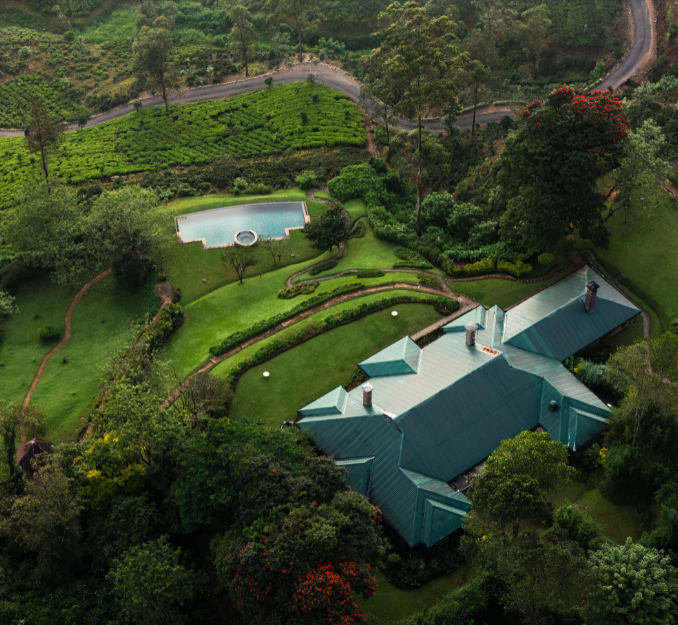
Their stories begin in the 1860s. Before tea was king, the hills were blanketed in coffee. The first planters were rugged pioneers, mostly young Scotsmen, who lived in shacks of hand-hewn timber or mud huts. Life was isolated and brutal until the coffee blight of the 1870s wiped out their fortunes. In a desperate pivot, these men turned to Green Gold – tea. As tea proved a commercial triumph, the makeshift huts were replaced by the grand granite blocks and slate roofs of the bungalows we know today. Perched on the highest points of the estates, these homes were designed so planters could survey their vast swathes of tea while being reminded of the British and Scottish Highlands they called home.
The bungalows each have a rich history and lie in tea estates that are very much active to this day with real planters, working factories, estate teams, communities and conservation landscapes and all of which contribute significantly to Sri Lanka’s current tea production. Each bedroom in the five bungalows are named after a tea planter associated with the bungalow. Some were wealthy and well bred, others were journeymen or adventurers who came to Ceylon for exactly that – adventure. They served many roles in society outside of being planters as rugby captains, secretaries of sports clubs, members of government committees, and even decorated war heroes, proving that the pioneers of the Golden Valley were as versatile as they were resilient.
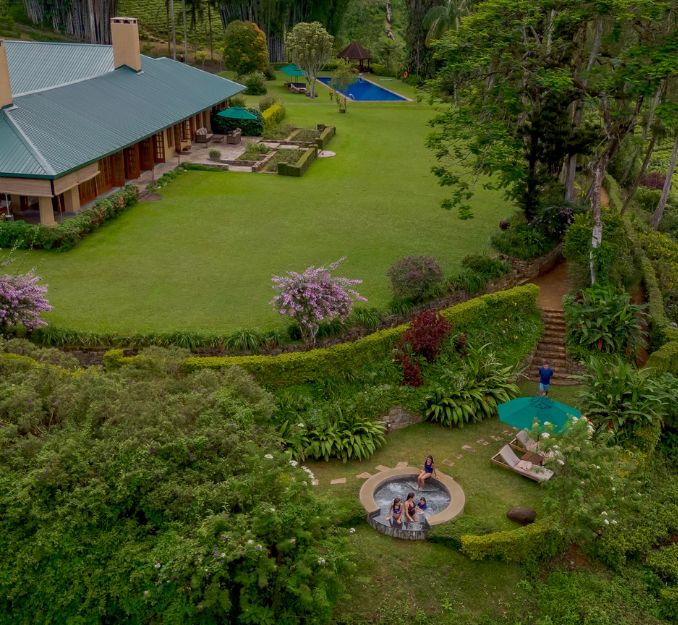
Diving into their history, the oldest of the collection, Tientsin, is named after the Chinese village from which the first tea seedlings were brought to Ceylon. Walking through its rose terraces and leafy arbors, you feel the influence of the planters’ wives who worked tirelessly to create a “little bit of England” in a faraway land. The Alston family name appears frequently in Tientsin’s history and they treated Tientsin as a manor house, hosting grand dinners for visiting dignitaries and high-ranking government officials who traveled up from Colombo.
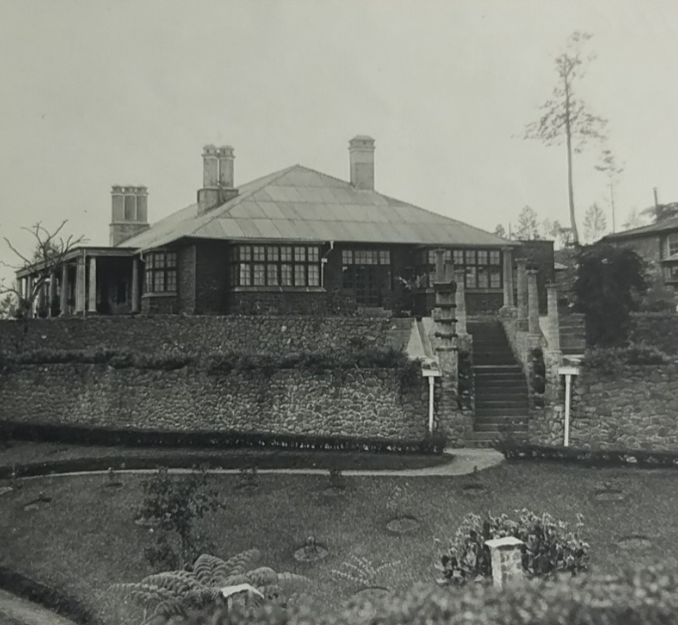
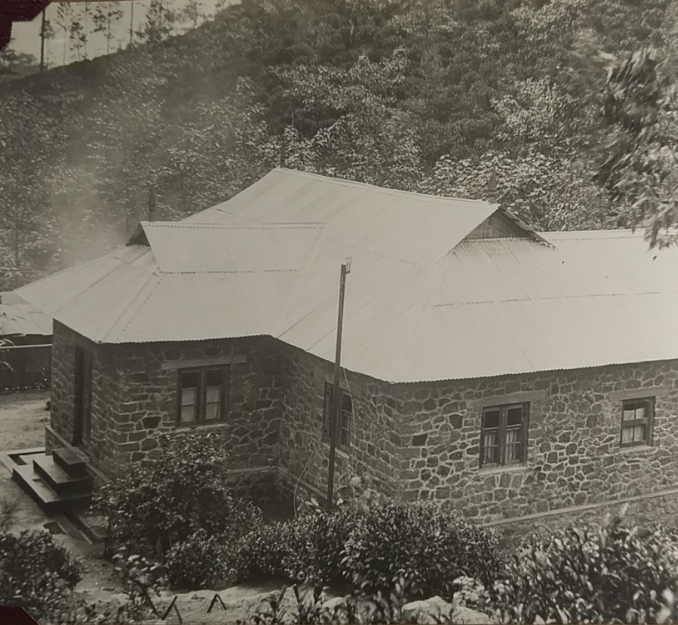
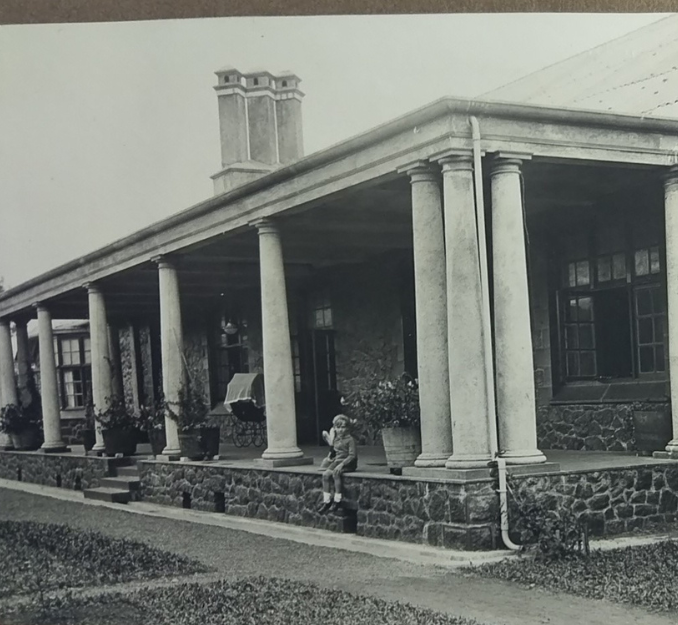
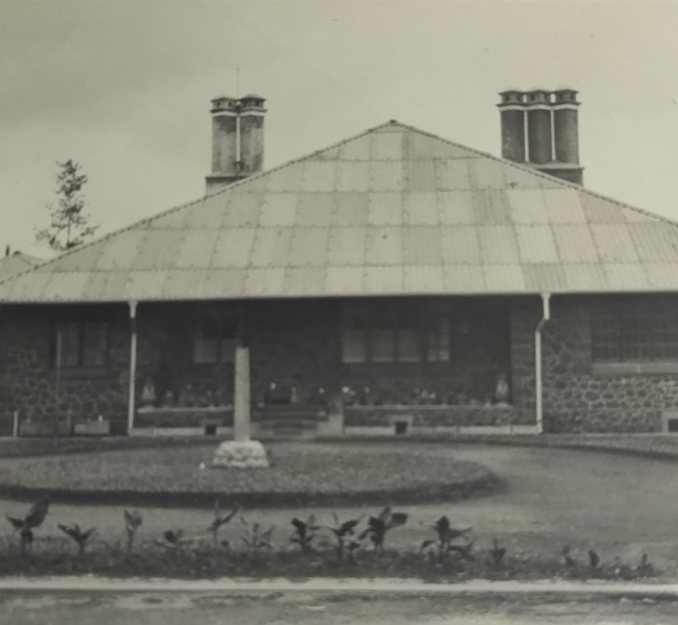
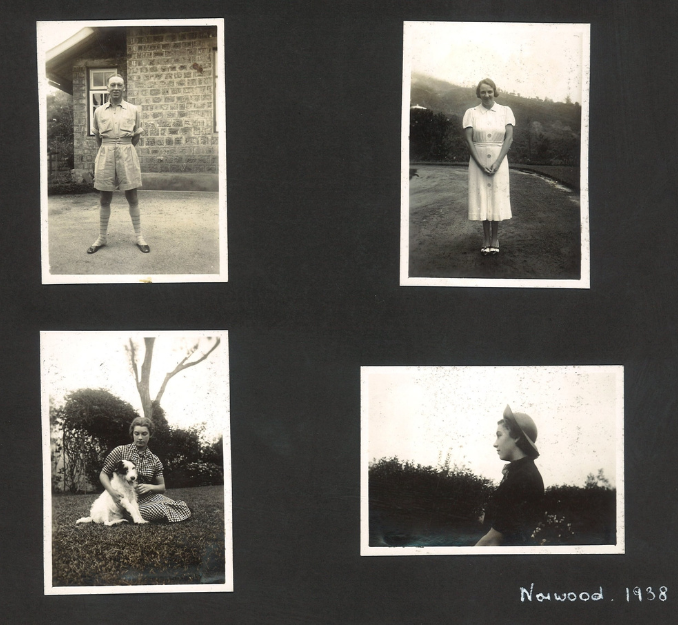
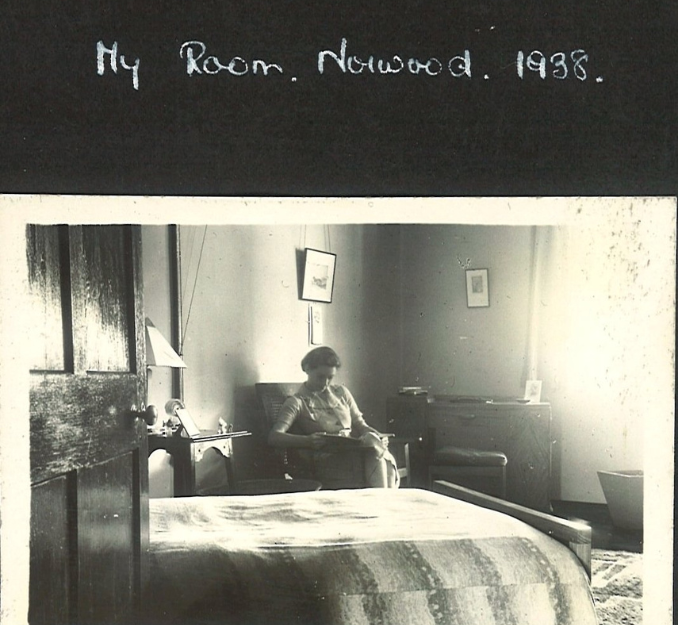
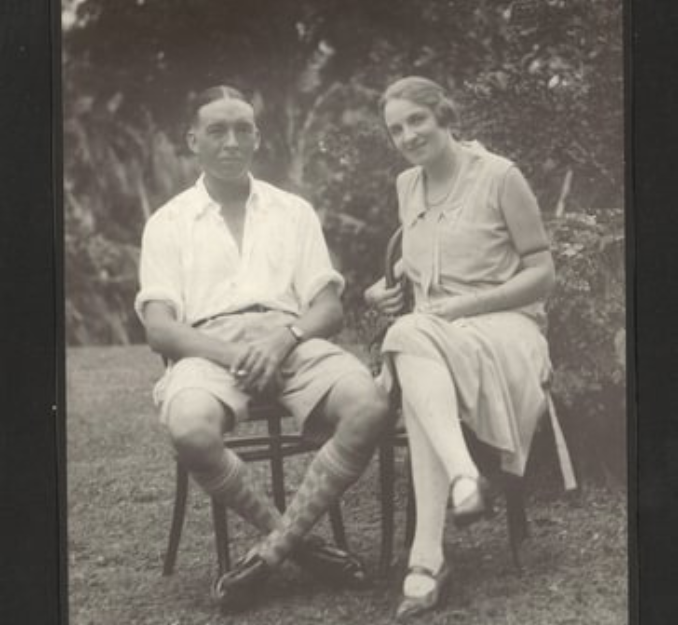
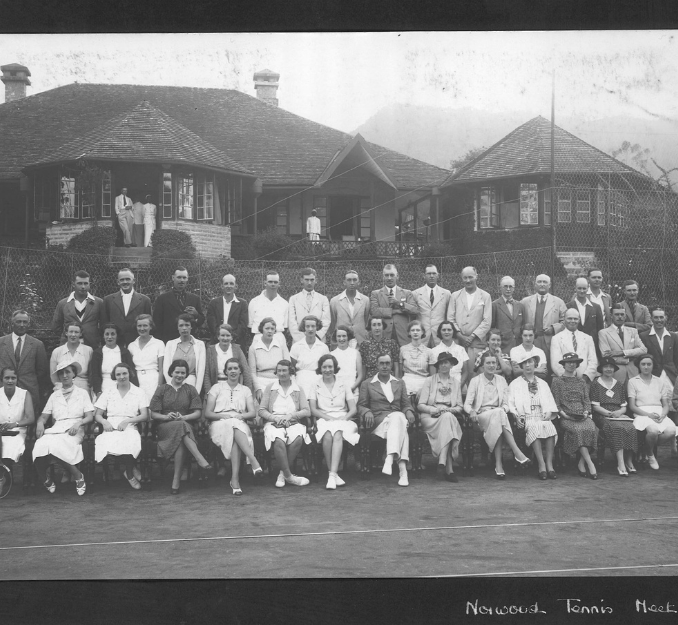
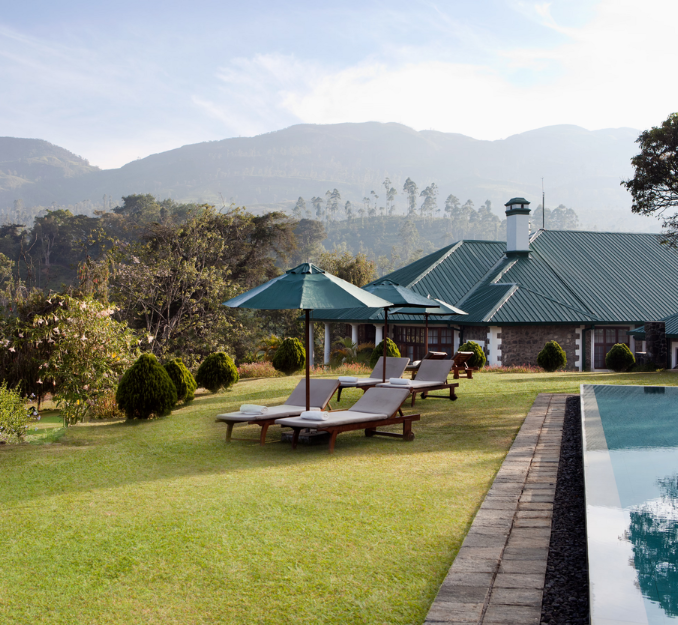
Norwood was the social heartbeat of the district. Back in 1870, even before the bungalow was built, the local planters formed the Norwood Tennis Club, dedicating every Thursday to “Club Day.” The current bungalow reflects a 1940s refinement, offering the most expansive valley views and a sense of “Little England” sophistication. A room in the existing Norwood Bungalow is named after R. Hazell, a man of action, who served two stints at Norwood, first as a young assistant in 1936 and later as the Superintendent in the 1950s. Between those years, he left the quiet tea fields to serve in WWII, where his distinguished leadership and valour earned him the Military Cross. When he returned to the serenity of the Bogawantalawa Valley, he was a local pillar of the community, often seen at the Darrawella Club or participating in the Ceylon Fishing Club.
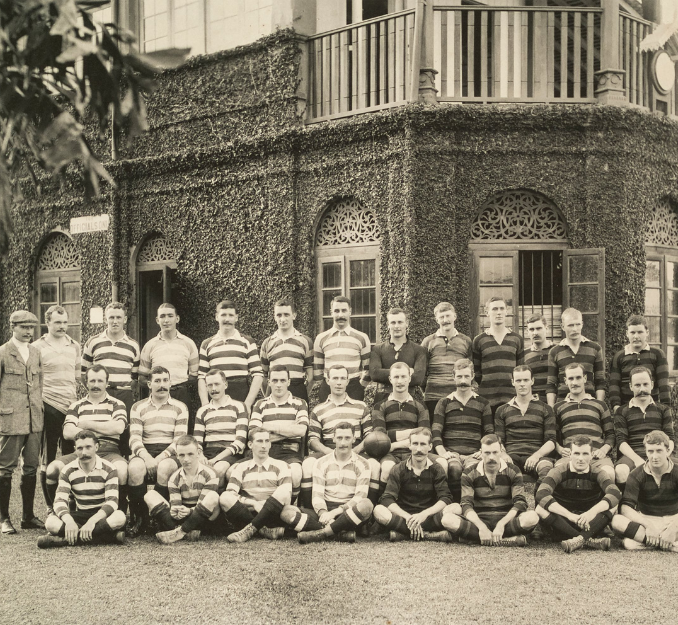
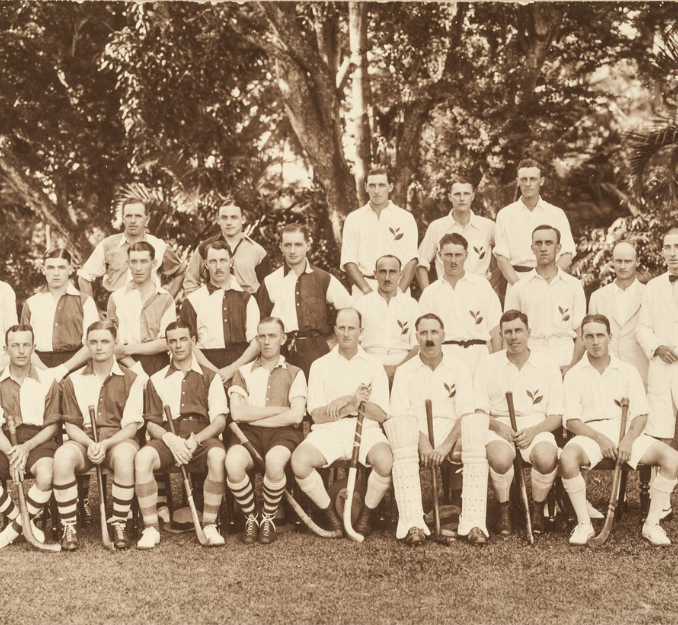
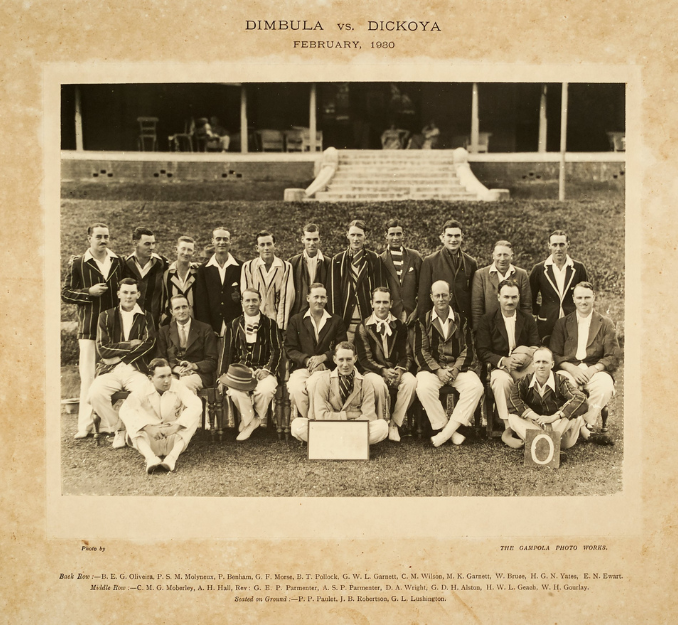
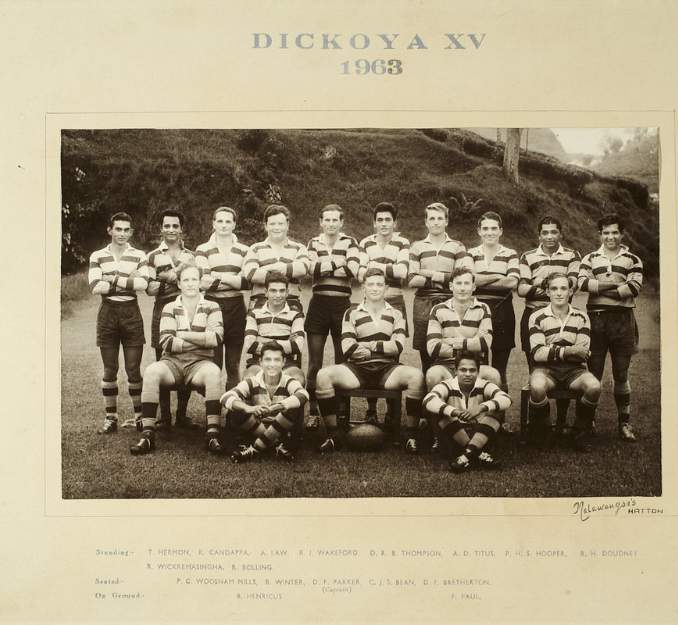
Life in the valley wasn’t all work; it was famously social. Lawrence Jeffery, known simply as Jeff, was the Ground Secretary of the Norwood Tennis Club and a fixture at the Dickoya & Maskeliya Cricket Club (DMCC). Meanwhile, C.H. Irvine was a star on the rugby pitch. If you visit the Darrawella Club today, you can still see black-and-white photos of Irvine and Hazell in their rugby kit from the 1930s – reminders of thehighland stalwarts who built this industry.
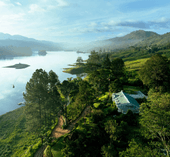
Its history is deeply tied to the land; when the Castlereagh Dam was commissioned in 1965, the original tea factory was actually inundated by the reservoir. Today, the bungalow sits regally on the water’s edge, its gardens reflecting the resilience of the Kelly family who first planted here in the 1870s.
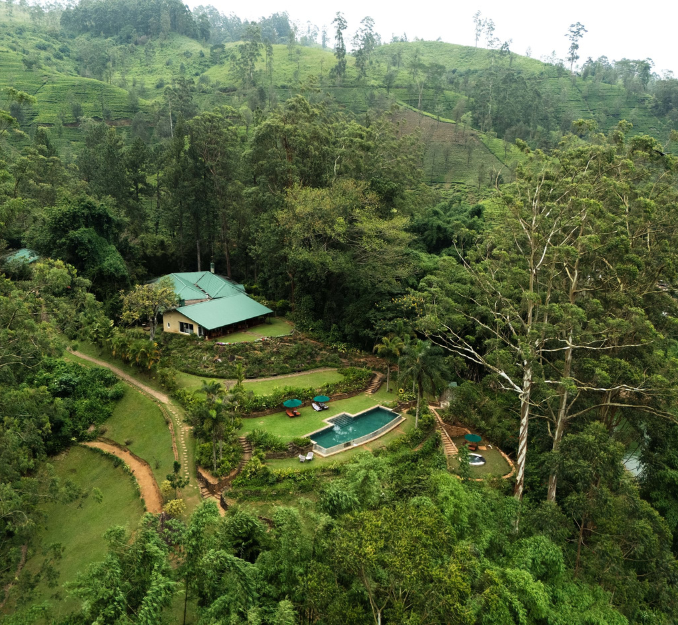
Evoking the air of a cozy English country cottage, Summerville was built during a flurry of construction in Dickoya in the early 1920s. It was once the home of G.C. Elwes, who arrived in 1880, during the height of the coffee crisis. While others fled the island in financial ruin, Elwes doubled down. He bought Summerville when it was just 249 acres of struggling coffee and cinnamon. His gamble paid off; he lived through the total transformation of the district into a tea-growing powerhouse, proving that the valley belonged to the patient and the brave.
Dunkeld is named by its Scottish owner, Alex Brown, after a picturesque town north of Perth, Dunkeld sits at 4,500 feet. It offers perhaps the most dramatic view of the Great Western mountain range. Its history is a testament to the journeyman planters—men like George Greig who oversaw the experimental shift from coffee to tea, changing the face of the island forever.
All five of these grand homes are part of a much larger, vibrant ecosystem comprising the Dunkeld, Norwood, and Bogawantalawa estates. They are not merely buildings of the past; they are the architectural heart of a landscape that remains a global leader in tea production.
Today, the tradition of Bed Tea served by a private butler is more than a luxury; it is a nod to the daily ritual of the 19th-century superintendent. When you sit by a crackling log fire at Tientsin or walk the manicured lawns of Castlereagh, you aren’t just a guest. You are a part of a 150-year-old legacy of grit, grace, and the perfect cup of tea.

- Share this post:


Extended Stay Savings
Extend your stay for 6+ nights at Cape Weligama, save more and enjoy the holiday of a lifetime.


